
NDIS worker training for disability support teams
18 practical modules covering the capabilities NDIS providers are asked to evidence, from infection control and medication management through to restrictive practices and participant rights. Take the full program or just the modules your team is missing.
- Mapped to the NDIS Practice Standards
- Onsite at your service, Australia-wide
- Whole-team or single-module delivery
 Practical, on-shift capability
18 modules
Grouped into four capability areas.
- practical modules
- 18practical modules
- capability areas
- 4capability areas
- for the accredited units
- RTO 46469for the accredited units
- wide onsite delivery
- Australiawide onsite delivery
Why providers train their whole team
Disability support is delivered by the person on shift, often alone. Capability is not a policy document, it is what that worker does in the moment.
Workers who are ready on shift
Support often happens one to one, in a participant’s home or out in the community, with no colleague in the next room. The first response is whoever is rostered on.
Evidence for your quality system
The Practice Standards ask you to show that your workforce is competent for the supports you deliver. Training records are part of how you show it.
One standard across a mobile workforce
Casual and part-time rosters mean new faces regularly. A single program keeps everyone working to the same practice, however they came in.
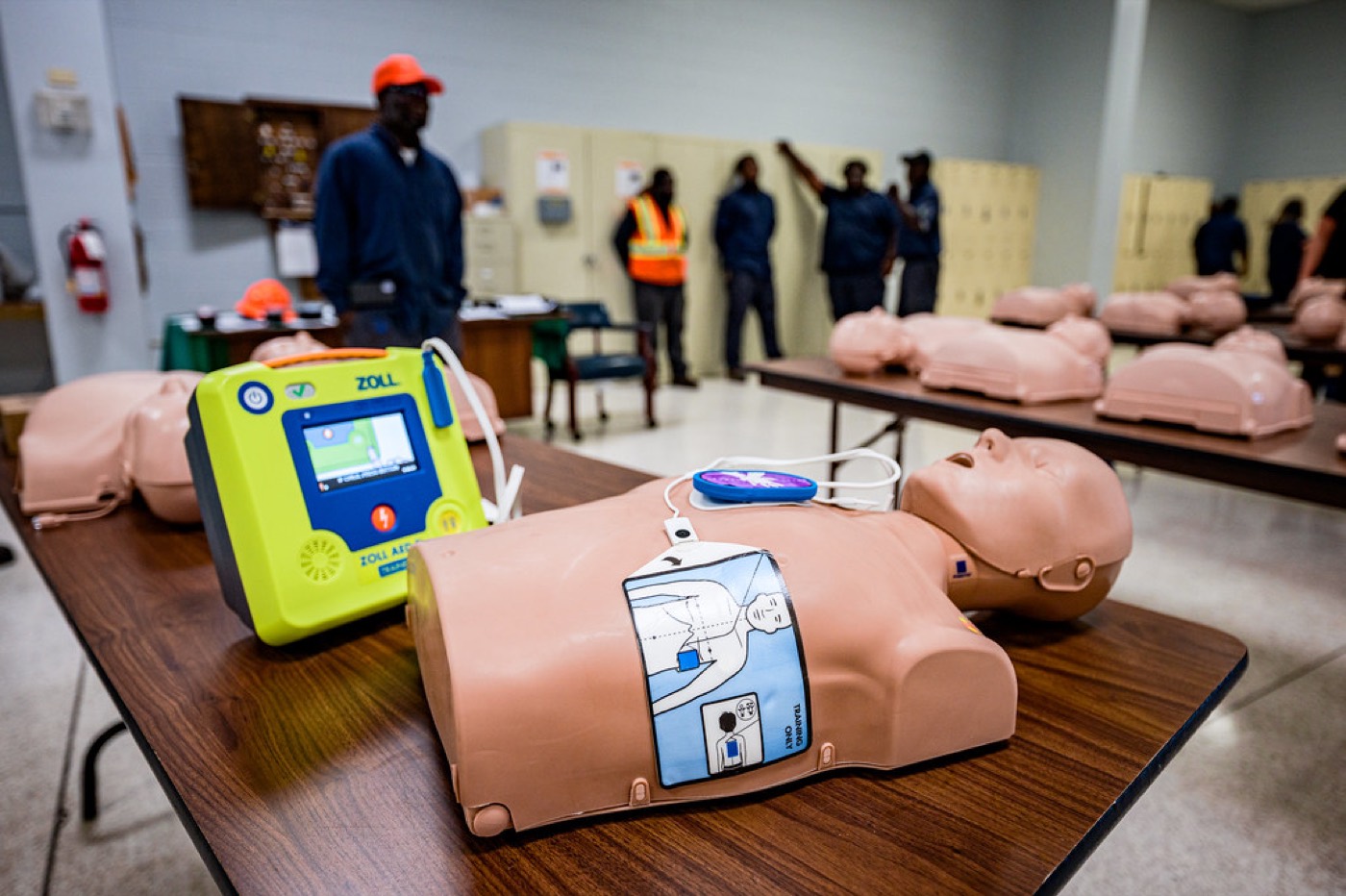
Delivered by Kentford Education.
First aid and CPR your workers will actually use
The accredited part of the program sits inside the same schedule as everything else. Your team covers the clinical response in the morning and the practice modules in the afternoon, rather than losing two separate days to two separate providers.
- HLTAID011 Provide First Aid and HLTAID009 Provide CPR, assessed individually
- Scenarios drawn from support work: seizures, choking, falls and anaphylaxis
- Statements of Attainment issued as digital certificates, with renewal reminders
18 modules, four capability areas
Grouped the way the NDIS Practice Standards divide them up, so you can see at a glance which part of your quality system each module speaks to.
Health and clinical safety
The day to day clinical risks support workers carry on shift.
Infection Prevention and Control
Standard precautions, hand hygiene and cleaning in a participant’s home or a shared setting.
Personal Protective Equipment (PPE)
Choosing, fitting and removing PPE without contaminating yourself or the participant.
Medication Management
Assisting safely with medication, documenting it, and what to do after an error.
Mealtime Management and Dysphagia
Recognising swallowing risk, following a mealtime management plan and responding to choking.
First Aid and CPR
Nationally recognised units with hands-on practice on manikins and AED trainers.
Safety, risk and emergencies
How your team responds when something goes wrong.
Incident Management
Recognising a reportable incident, responding first, then recording and escalating it.
Emergency and Disaster Management
Planning for fire, flood, heat and power loss, and supporting participants through an evacuation.
Manual Handling
Transfers, hoists and repositioning that protect the participant’s dignity and your own back.
Work Health and Safety (WHS)
Hazard identification, risk control and worker duties when the workplace is someone’s home.
Behaviour and wellbeing
Responding to behaviour with skill rather than restriction.
Positive Behaviour Support
Reading behaviour as communication, following a behaviour support plan and de-escalating early.
Restrictive Practices
What counts as a regulated restrictive practice, the authorisation and reporting around it, and working to reduce it.
Trauma-Informed Practice
Recognising trauma responses and adjusting support so it does not compound them.
Conflict Resolution
Defusing conflict with participants, families and colleagues, and knowing when to step back and get help.
Rights, choice and safeguarding
Keeping the participant in charge of their own support.
Abuse, Neglect and Exploitation
Recognising the signs, responding safely and meeting your reporting obligations.
Participant Rights and Person-Centred Practice
Choice and control, dignity of risk, privacy and cultural safety.
Supporting Effective Communication
Working with augmentative communication, key word sign, interpreters and communication passports.
Supported Decision Making
Helping a participant make their own decisions instead of making decisions for them.
Active Support Practice
Structuring the day so participants take part in it rather than have it done for them.
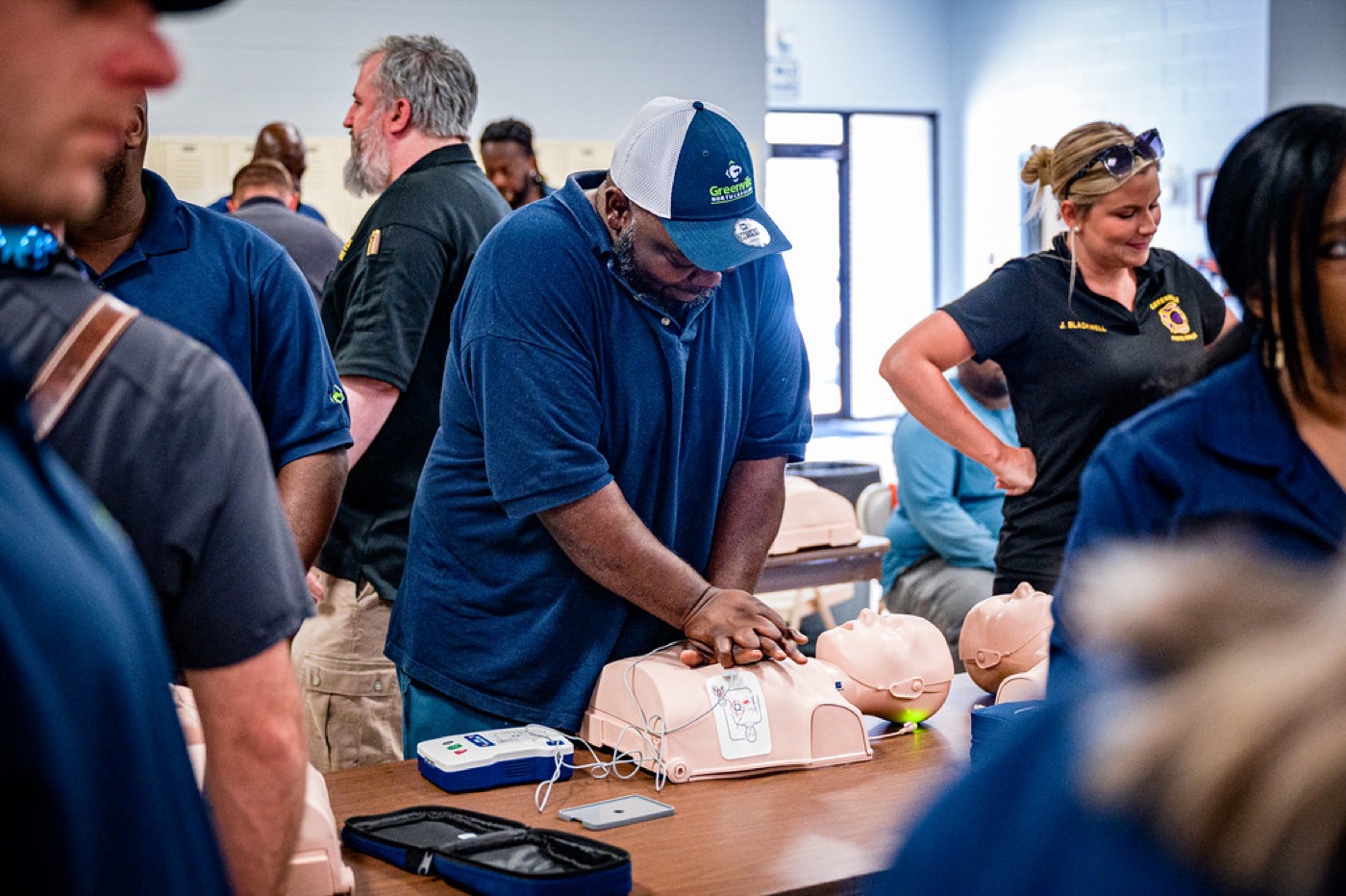
We train where your team already is
Pulling support workers off shift is the expensive part of training, not the training. We schedule around your roster and bring the trainers, manikins and AED trainers with us, so the day costs you as little coverage as possible.
- Delivered at your service, a hub site, or at our campus
- Split sessions so a roster keeps running while half the team trains
- Free travel within the Sydney metropolitan area, regional by quotation
How a program comes together
Four steps from first call to a training record you can put in front of an auditor.
- 1
Scope
Tell us your team size, the settings you support in and the modules you are missing.
- 2
Plan
We map the modules to your roster and come back with a schedule and a quote.
- 3
Deliver
We train at your service or at our campus, as a whole team or in split sessions.
- 4
Record
Completion records for your training file, and a reminder before first aid certificates lapse.
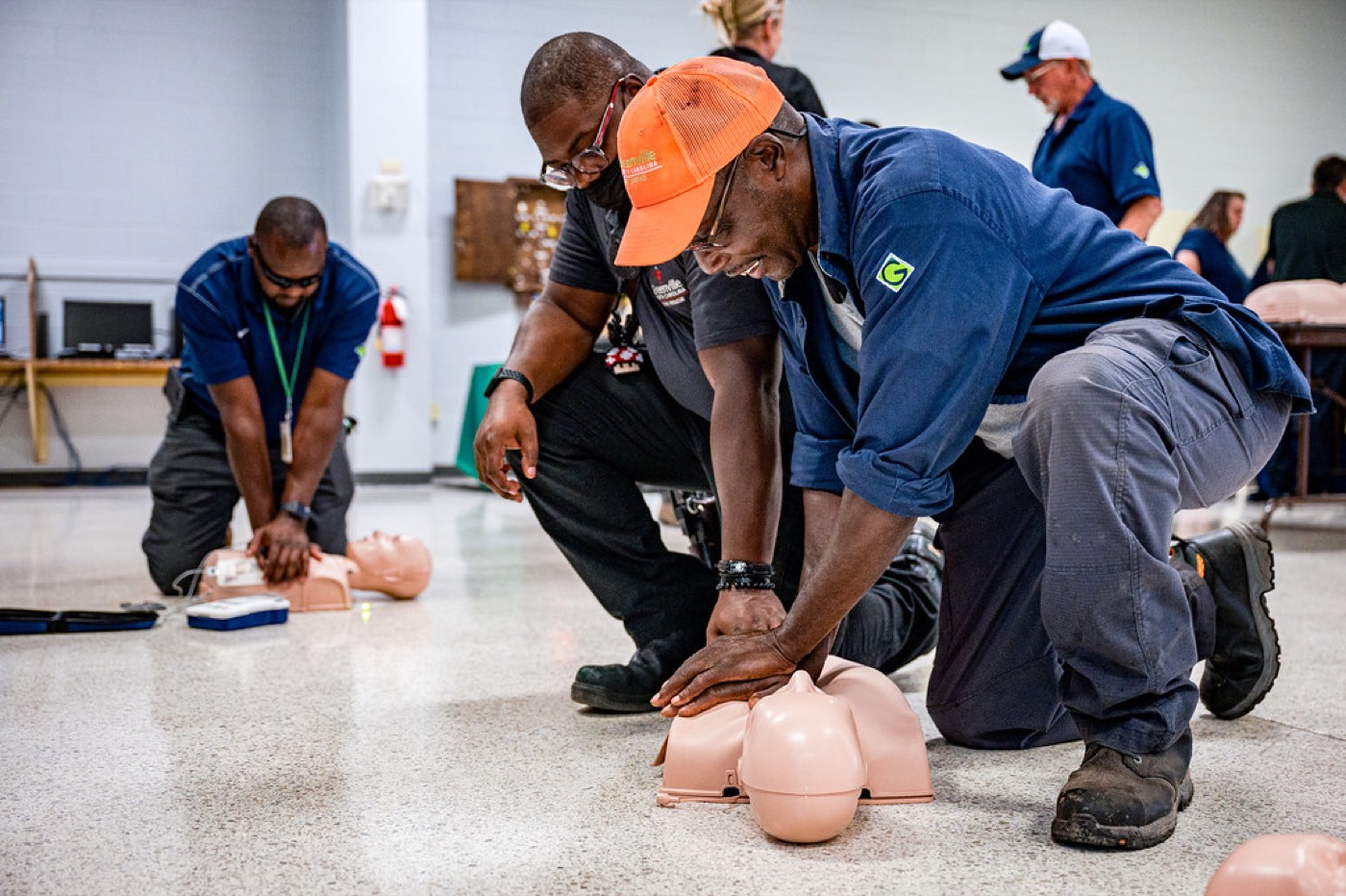
Written for the people on shift
Every module is built for support workers and the people who supervise them, not for a classroom. If a role in your service supports a participant directly, this program is written for it.
- Disability support workers
- Supported independent living teams
- Support coordinators
- Community access staff
- Allied health assistants
- Team leaders and supervisors
- In-home and one to one support
- New workers in induction
Looking for first aid and CPR on its own? See first aid training for NDIS and disability support.
NDIS training questions, answered
What is accredited, what is not, and how a program is put together.
Is NDIS worker training nationally recognised?
The first aid and CPR units are nationally recognised training delivered under the HLT training package by Kentford Education, RTO 46469, and participants receive a Statement of Attainment. The remaining modules are delivered as practical workforce training and professional development rather than accredited units.
Can we choose only the modules our team needs?
Yes. Take the full program or just the modules your team is missing. Most providers start with the gaps they already know about, then add modules as new workers come on.
Where is the training delivered?
Onsite at your service anywhere in Australia, or at our campus. Travel within the Sydney metropolitan area is free and regional travel is quoted with the booking.
Is there a minimum group size?
Onsite first aid and CPR bookings have a minimum of 10 participants. For the workforce modules, tell us your team size and we will build a schedule around it.
How long does each module take?
It depends on the module and how much practical work you want in it, so we confirm the length with you when we scope the program rather than quoting a fixed timetable.
What do participants get at the end?
A nationally recognised Statement of Attainment for the first aid and CPR units, issued as a digital certificate. For the workforce modules we can provide completion records to keep in your staff training file.
How does this relate to the NDIS Practice Standards?
The modules are grouped around the capability areas the Practice Standards ask providers to evidence, including incident management, safeguarding, behaviour support and participant rights. The training supports your own compliance work rather than replacing it.
Tell us what your team is missing
Send us your team size and the modules you need. We will come back with a schedule and a quote, delivered at your service or at our campus.
First aid and CPR is nationally recognised training delivered under the HLT training package by Kentford Education, RTO #46469. The remaining modules are delivered as practical workforce training and professional development.