
First aid and CPR training — be ready to save a life
Would you know what to do in an emergency? Gain the confidence and the skills to respond effectively when every second counts.
From $55 · Certificate issued on successful completion
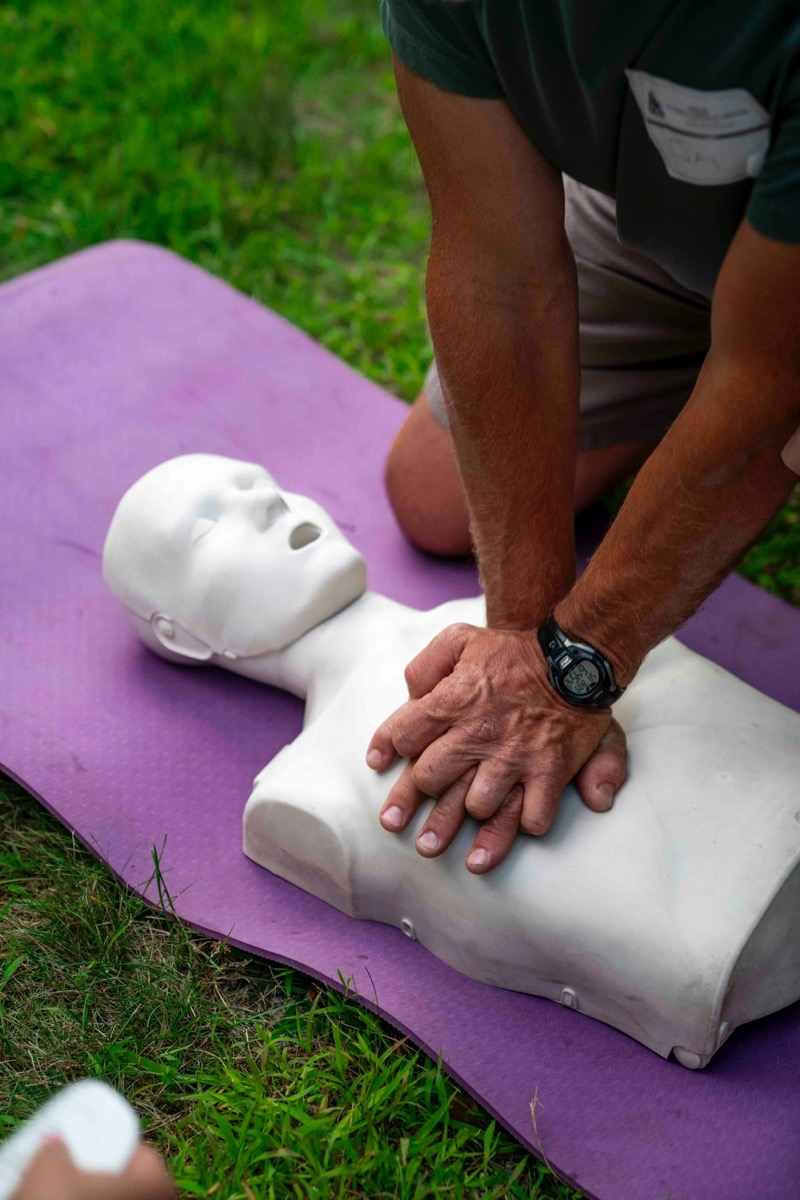
Hands on a manikin in the first 20 minutes
Our courses include
Every course is built around doing, not watching. You leave able to act.
CPR training
Compressions, rescue breaths and defibrillator use, drilled until the rhythm is automatic.
Provide first aid
Bleeding, burns, fractures, choking, asthma and anaphylaxis — the incidents that actually happen.
Basic emergency response
How to assess a scene, prioritise a casualty and hand over cleanly when the ambulance arrives.
Practical, hands-on training
Manikins, scenarios and repetition. You practise on the day, not just watch a slideshow.
Certificate on completion
A nationally recognised Statement of Attainment issued once you complete the course successfully.
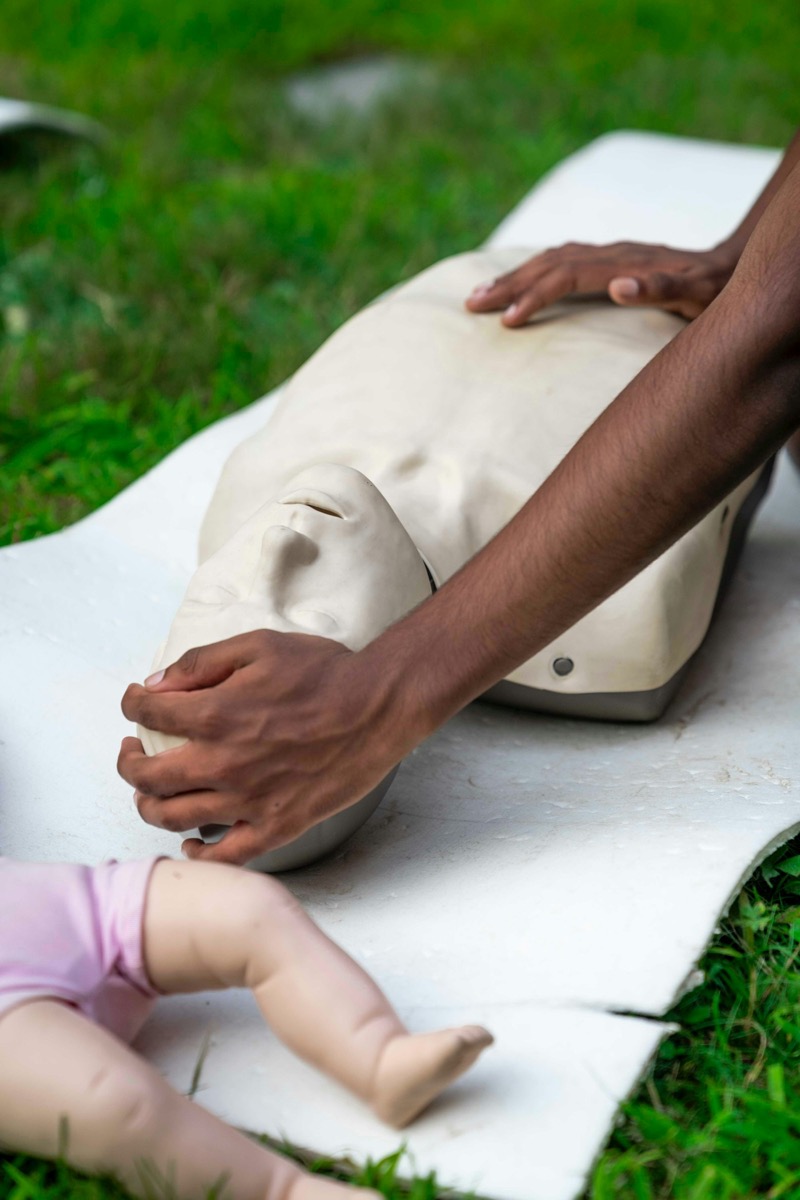
This is what the day looks like
No stock photography. Manikins, defibrillators, a trainer at your shoulder and a floor you will spend a fair bit of time on.
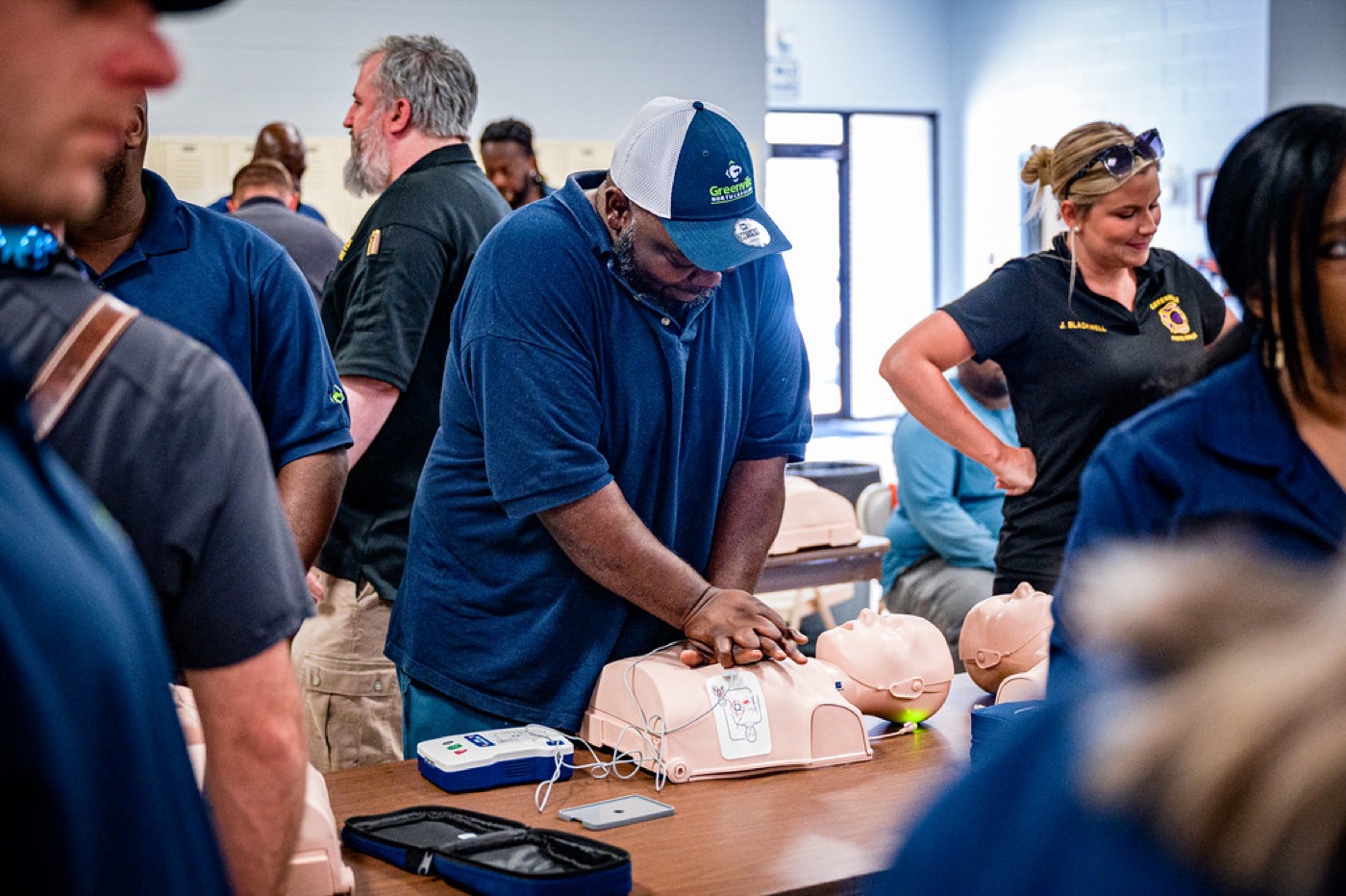
Workplace groups train together, on their own manikins.
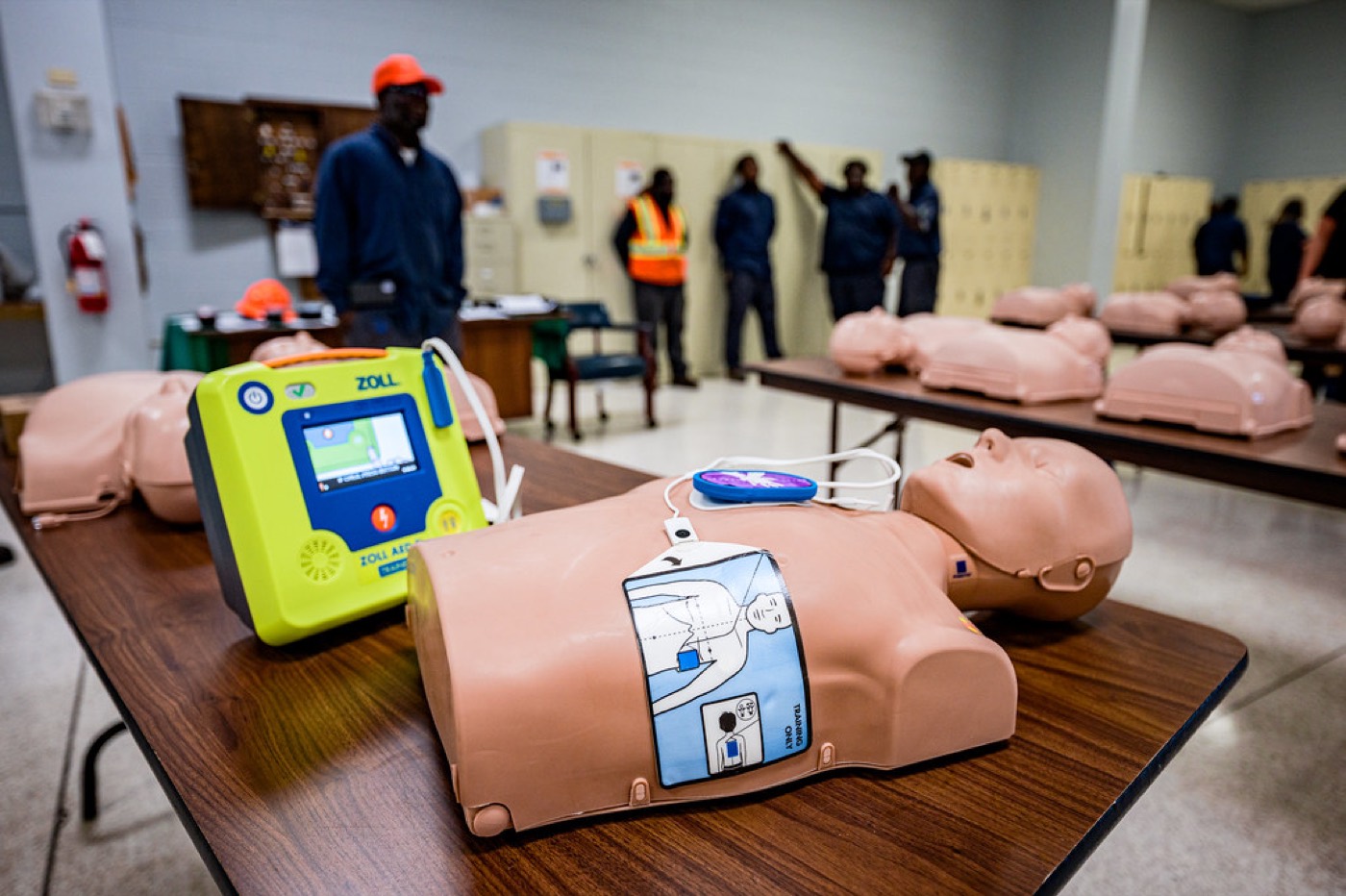
A real defibrillator on every table, not a photo of one.
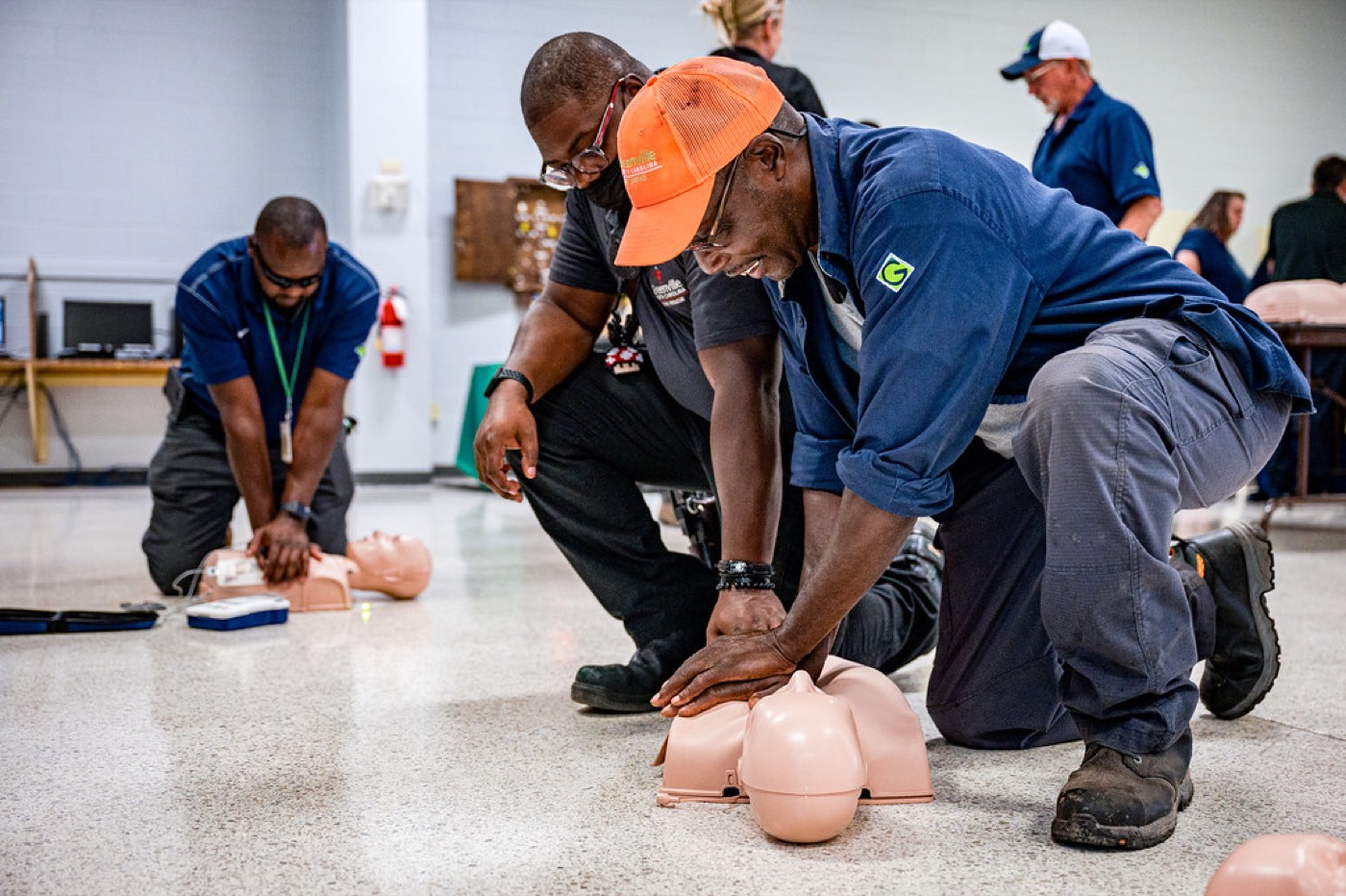
Compressions on the floor, where you would really do them.
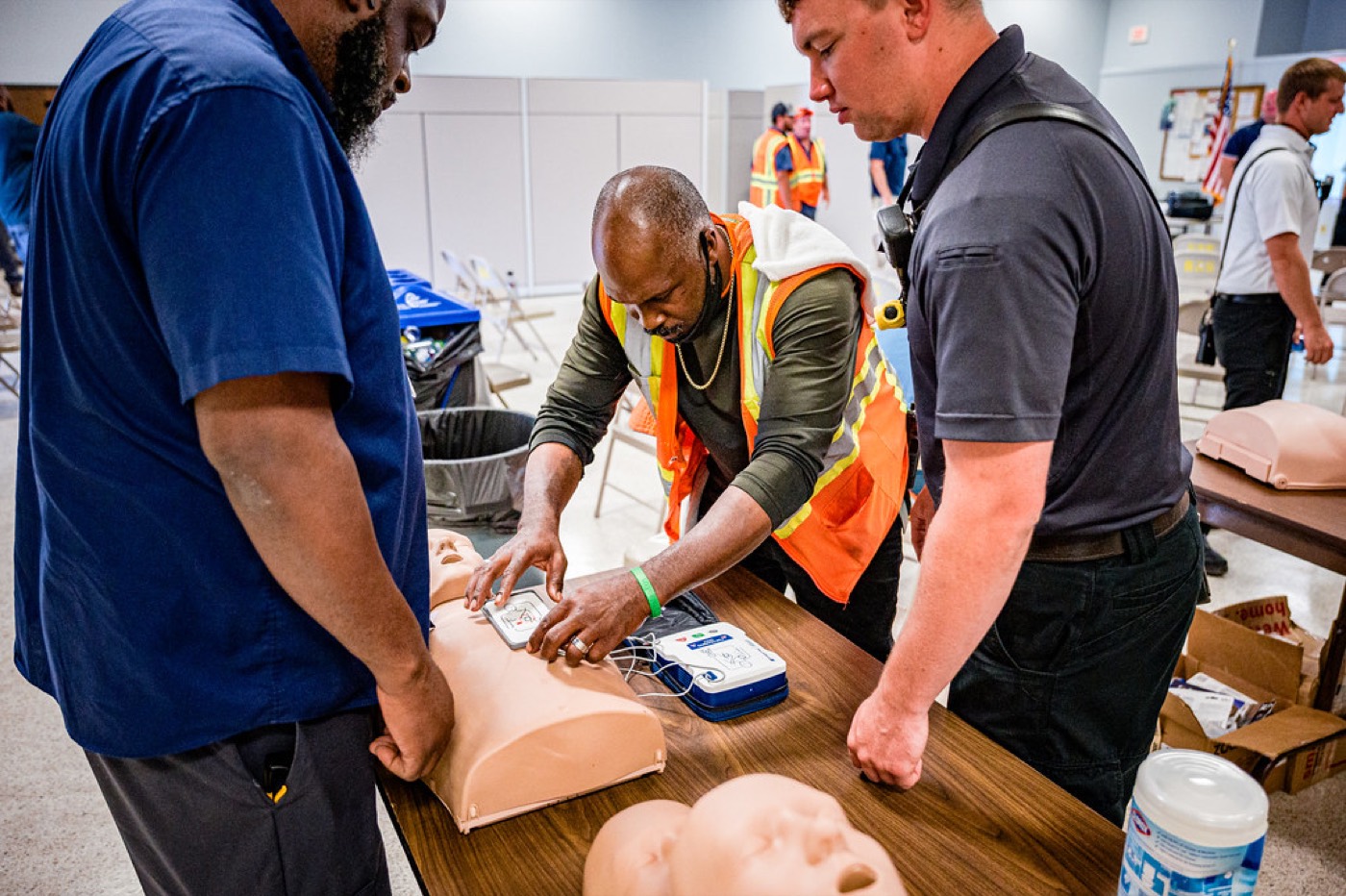
A trainer at your shoulder for every skill you are assessed on.
This course suits
If your role puts you near people, it puts you near emergencies. These are the people we train most.
- NDIS support workers
- Aged care workers
- Childcare educators
- Teachers
- Security personnel
- Construction workers
- Sports coaches
- Parents, carers and community members
DRSABCD, drilled until you don't have to think
Every course is built around the same seven steps. By the end of the day you can run them in order, under pressure, without a prompt.
Danger
Check the scene is safe for you, for bystanders and then for the casualty.
Response
Talk and touch. Squeeze the shoulders and ask for a name.
Send for help
Call triple zero (000) and put the phone on speaker so your hands stay free.
Airway
Open the airway and clear it if anything is blocking it.
Breathing
Look, listen and feel for ten seconds. Not breathing normally means start CPR.
CPR
Thirty compressions to two breaths, and keep going until help takes over.
Defibrillation
Attach the defibrillator as soon as one arrives and follow its prompts.
Practise it, don't just read it.
Reading the steps takes a minute. Doing them when it counts takes a day of training.
Find a course
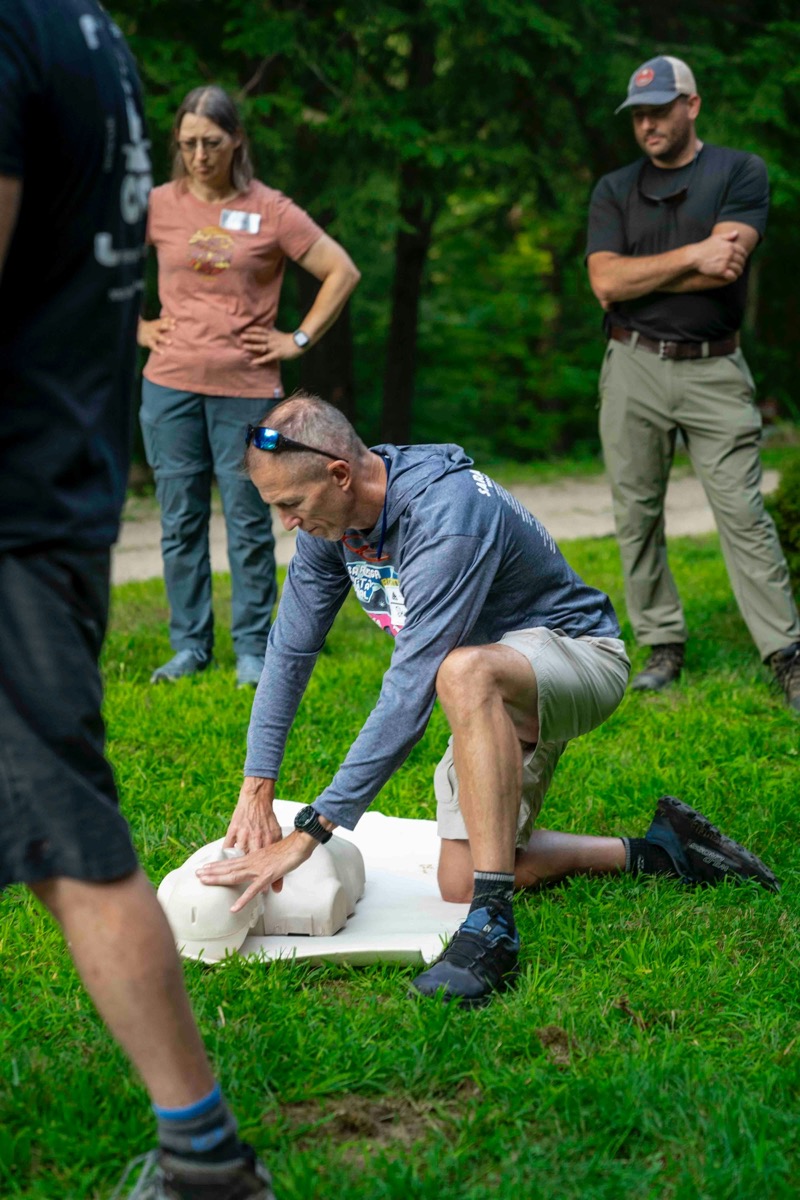
Training worth the day off
Anyone can hand out a certificate. We would rather you left knowing what to do.
Experienced, qualified trainers
Taught by people who have used these skills under pressure, not career presenters reading from a deck.
Interactive practical sessions
Scenario-based work in every session, so the skills stick long after the certificate is filed away.
Affordable course fees
Straightforward pricing with no booking fees, no certificate fees and no surprises at checkout.
Small class sizes
Real time on the manikins for everyone, and a trainer who has the room to answer your questions.
One day, mostly on your feet
Theory is kept to what you need to act. The rest of the day is spent doing.
Arrive and settle in
Sign in, meet your trainer and the dozen or so people you will train alongside.
The theory, kept short
What you need to know to act, covered quickly so the room can get to the practical work.
Hands on the manikins
Compressions, rescue breaths and defibrillator pads, drilled until the rhythm is automatic.
Scenarios under pressure
Bleeding, choking, anaphylaxis and an unresponsive casualty, run as they happen in real life.
Practical assessment
You show your trainer each skill. No written exam to sit on your own.
Certificate issued
Your Statement of Attainment is issued once you have completed the course successfully.
Compare the three courses
Not sure whether you need the full qualification or just the CPR refresher? Check what your employer asks for, then pick the row that matches.
| Course | CPR | Provide first aid | Best for | Renew | Price |
|---|---|---|---|---|---|
| CPR | CPR is included in the CPR course | Provide first aid is not included in the CPR course | The annual refresher on its own. | Recommended every 12 months | $55 |
| First Aid | CPR is not included in the First Aid course | Provide first aid is included in the First Aid course | Provide First Aid without the CPR unit. | Recommended every 3 years | $90 |
| First Aid & CPRMost booked | CPR is included in the First Aid & CPR course | Provide first aid is included in the First Aid & CPR course | What most workplaces ask new staff for. | CPR yearly, first aid every 3 years | $130 |
Renewal periods are the industry recommendation. Your employer or regulator may ask for something different — check with them if you are not sure.
Simple, affordable pricing
One price per course. No booking fees, and no charge for your certificate.
First Aid & CPR
The full qualification most workplaces ask for.
$130
- Provide First Aid
- CPR included
- Basic emergency response
- Certificate on completion
First Aid
Provide First Aid on its own.
$90
- Provide First Aid
- Practical assessment
- Certificate on completion
CPR
The annual refresher, done in a few hours.
$55
- CPR and defibrillator use
- Practical assessment
- Certificate on completion
Four things to bring
Sort these out and the day runs smoothly. Turn up without a USI and we cannot issue your certificate.
Photo ID and your USI
Bring photo identification and your Unique Student Identifier. We cannot issue a nationally recognised certificate without a USI — create one free at usi.gov.au.
Clothes you can kneel in
You will spend real time on the floor beside a manikin. Wear something comfortable and flat shoes.
Your pre-course work
If you booked a blended course, finish the online theory before the day. Bring the completion email.
Ten minutes up your sleeve
Arrive a little early so sign-in does not eat into your practical time.
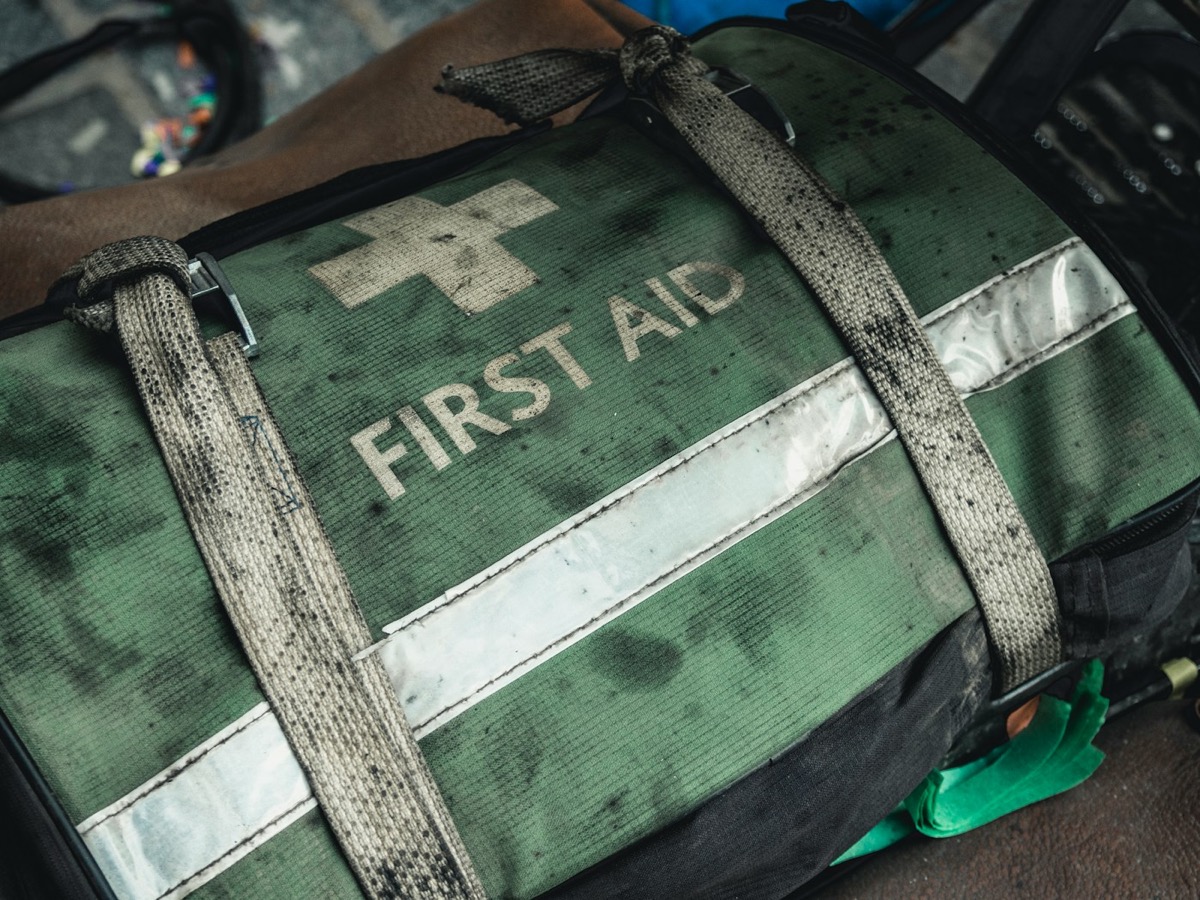
Training for workplaces and organisations
We run on-site sessions for teams, scheduled around your shifts so nobody loses a day travelling. Tell us how many people you need certified and we will build the day around them.
Be prepared. Be confident.
Be the person who can make a difference. Book your training today.